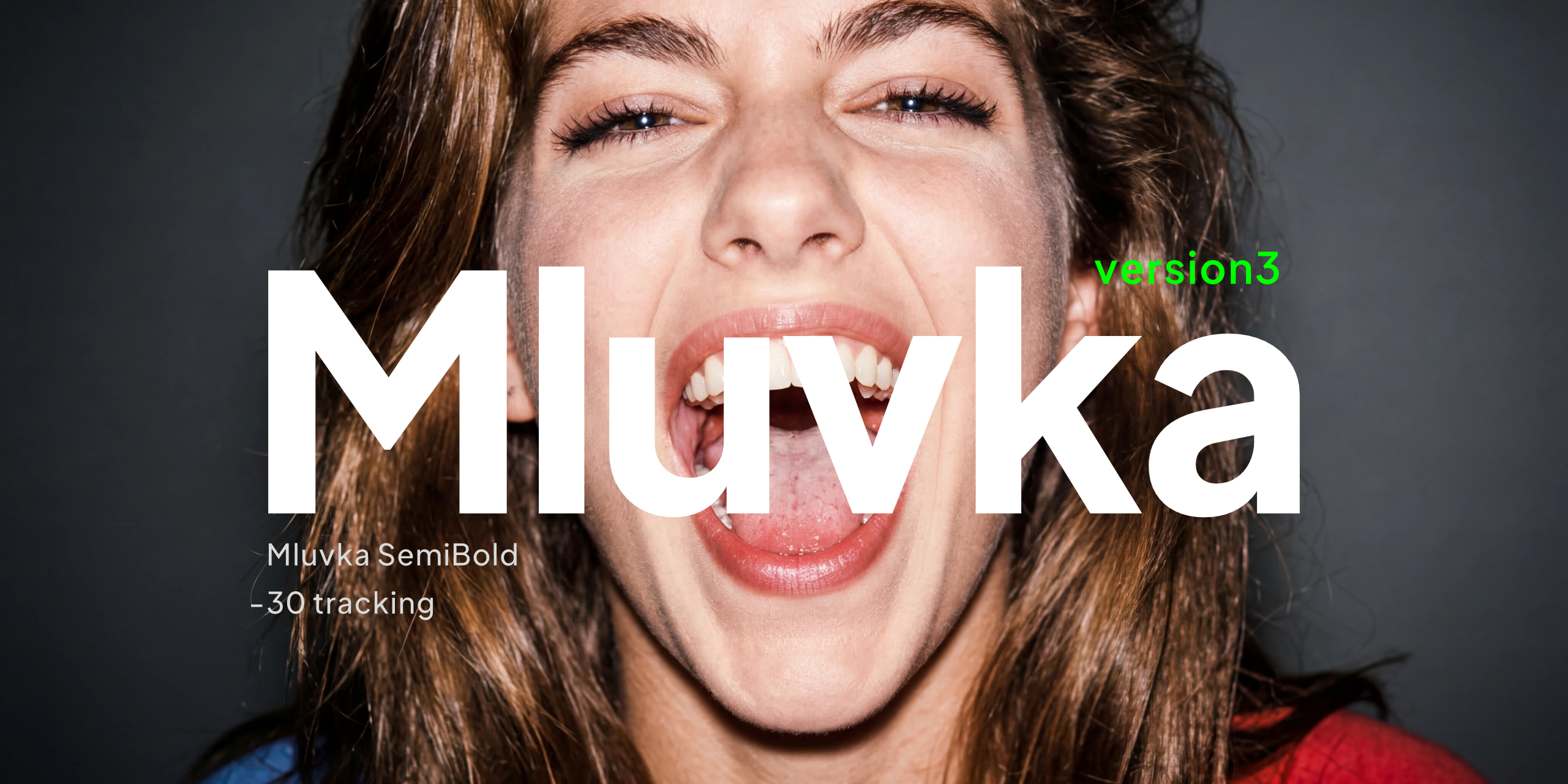
Mluvka

Write. Read. Repeat.

Styles

Extralight

Morning frequency

The radio wakes a small apartment above the bakery. Between songs, a presenter reads messages from listeners: a birthday in Brno, a lost umbrella, a request for better weather. The windows are still fogged, but the day already has a soundtrack. A delivery van stops below, the oven doors open, and the smell of fresh rolls reaches the stairwell before the next song begins.
At the far end of the dial, an unfamiliar voice introduces a late-night programme about forgotten places. Callers describe empty swimming pools, closed stations, and gardens behind locked gates. Each story adds another point to an imaginary map of the city. Before signing off, the presenter leaves the telephone line open for one final memory, then promises to return to the subject next week.
Light

Stories in motion

A notebook passes from one traveller to another on a long journey. The first page contains a drawing of the sea; the next has a list of things to remember. By the final stop, the book holds directions, jokes, recipes, and several addresses written in different hands. One passenger adds a pressed leaf between the pages, and another leaves a blank envelope for whoever might need it later.
A documentary crew spends a week following the same bus route. They film the early commuters, the afternoon school run, and the quiet return to the depot. The route never changes, yet every journey reveals a different version of the neighbourhood. In the editing room, the filmmakers notice a familiar face appearing in several scenes, always carrying a different bunch of flowers.
Regular

A clearer signal

The studio opens its doors to anyone with a story to tell. A musician tests a microphone, a poet revises a line, and a child asks whether silence can be recorded. By lunchtime, the sound engineer has collected enough material for an unexpected portrait of the room. The finished piece keeps the accidental sounds between the interviews, giving each voice a little more room to be heard.
A small newspaper prints its first issue on a borrowed machine. The pages carry local news, a crossword, and an interview with the woman who tends the station garden. Copies disappear from the counter before noon, and readers begin asking when the next edition will arrive. The second issue includes a correction, a photograph sent by a reader, and an invitation to contribute a story from the next street.
Book

Between the lines

Two friends exchange postcards from the same city without arranging where to meet. One writes about a crowded market; the other finds a quiet courtyard nearby. Their descriptions overlap in surprising ways, turning familiar streets into a conversation conducted across the post. Weeks later, both postcards arrive on the same morning, their stamps bearing the same date and their photographs showing opposite sides of one building.
The archive contains hundreds of recorded greetings in dozens of languages. Some are formal, some are whispered, and a few dissolve into laughter. Played together, they suggest a room full of people introducing themselves before any longer story has had a chance to begin. A listener can choose a voice at random and hear how a single everyday word changes with distance, occasion, and familiarity.
Medium

Words find a way

An editor arranges a collection of short essays around a single theme: attention. One writer follows the movement of clouds; another describes a neighbour’s daily routine. The pieces differ in pace and tone, but each asks the reader to notice something easily overlooked. The editor keeps the original punctuation wherever possible, allowing each author’s pauses and rhythms to survive the journey into print.
A sign painter restores lettering on an old glass door. Beneath the recent layers are traces of earlier names, opening hours, and a telephone number with too few digits. The new sign leaves a small part of that history visible, framed by a clean edge of fresh paint. As the last stroke dries, the shopkeeper opens the door for the first customer and turns the small sign from closed to open.
Semibold

Every voice matters

The community theatre holds auditions in a room above the station. People arrive straight from work, carrying scripts marked with notes and folded corners. Some have performed for years; others are reading aloud for the first time. Everyone is asked to stay for tea afterwards. The director takes notes during the readings, but the final roles will not be announced until everyone has had another chance to participate.
A translator keeps a collection of phrases that resist a direct equivalent. They describe particular kinds of weather, complicated family relationships, and the feeling of returning somewhere changed. Each note is a reminder that meaning often depends on the company words keep. On the last page, a note explains that the list will never be complete, because language continues to change whenever people use it.
Bold

Say it with feeling

A festival programme needs to guide visitors from a busy street to a series of small rooms. Maps, tickets, posters, and spoken announcements all share the same friendly tone. Once the doors open, the system becomes a quiet companion to the performances themselves. At the end of each performance, the same small signs help the audience find the next event without interrupting the flow of the evening.
The recording starts with a chair being pulled across the floor. Then comes a pause, a breath, and a story about learning to swim. The speaker begins cautiously, but soon the details arrive faster: cold water, a red towel, and a summer that seemed to have no end. The recording ends with the sound of the pool gate closing, a detail the speaker remembers only after the official interview is over.
Extrabold

Turn up the volume

The print workshop is at its busiest on Friday afternoon. Sheets move between the press and the drying rack while conversations compete with the machinery. A bright poster emerges one layer at a time, revealing a message that only becomes clear when the final colour lands. When the ink has dried, the team hangs the first copy in the window and leaves the others stacked by the door for collection.
An announcement appears on the station wall: the last train will leave from a different platform. Within minutes, the crowd changes direction. A few words, placed where they can be seen, have turned a complicated movement into a simple shared decision. The revised notice remains in place all evening, helping late arrivals find their connection without needing to ask for directions.
Black

Leave an impression

A speaker steps onto the stage with no slides and a single sheet of notes. The room settles. What follows is a story about an ambitious project, an unexpected setback, and the people who found a way forward together. Afterwards, the questions continue long into the evening. A volunteer collects the questions on cards, ensuring that people at the back of the room can take part in the discussion too.
The final page of the programme contains only a short thank-you. It names the people who built the set, prepared the food, welcomed the audience, and stayed to clean up. The list is longer than expected, which makes the message feel exactly right. One final line leaves space for the audience, acknowledging the conversations that will continue after the lights have been switched off.
Typeface Specimen

Details

Description

A contemporary geometric typeface balancing clarity, personality, and versatility. Mluvka is designed to perform across both expressive display settings and longer reading contexts.

Mluvka is currently in version 3, bringing a refined approach to its letterforms. This update introduces subtle adjustments to proportions, contrast, and overall rhythm, resulting in improved readability and making the typeface more suitable for continuous text than previous versions.

Designer

Jiří Krblich

Release & version

September 2022 · Version 3.001

Styles (9)

  • Mluvka Extralight
  • Mluvka Light
  • Mluvka Regular
  • Mluvka Book
  • Mluvka Medium
  • Mluvka Semibold
  • Mluvka Bold
  • Mluvka Extrabold
  • Mluvka Black

OpenType features (11)

Ligatures
liga
Single-story a
ss01
Circular G
ss02
Alternative K/k
ss03
Alternative R
ss04
Alternative r
ss05
No tails alternative
ss06
Alternative u
ss07
Alternative t
ss08
Contextual alternates
calt
Tabular figures
tnum

Languages

325 languages
Show all languages

Acheron, Achinese, Acholi, Achuar-Shiwiar, Afar, Afrikaans, Aguaruna, Alekano, Aleut, Algonquin, Amahuaca, Amarakaeri, Amis, Anaang, Andaandi, Dongolawi, Anuta, Ao Naga, Apinayé, Aragonese, Arbëreshë Albanian, Arvanitika Albanian, Asháninka, Ashéninka Perené, Asturian, Asu (Tanzania), Atayal, Balinese, Banjar, Bari, Basque, Batak Dairi, Batak Karo, Batak Mandailing, Batak Simalungun, Batak Toba, Bemba (Zambia), Bena (Tanzania), Bikol, Bini, Bislama, Borana-Arsi-Guji Oromo, Bosnian, Breton, Buginese, Candoshi-Shapra, Caquinte, Caribbean Hindustani, Cashibo-Cacataibo, Cashinahua, Catalan, Cebuano, Central Aymara, Central Kurdish, Central Nahuatl, Chachi, Chamorro, Chavacano, Chiga, Chiltepec Chinantec, Chokwe, Chuukese, Cimbrian, Cofán, Congo Swahili, Cook Islands Māori, Cornish, Corsican, Creek, Crimean Tatar, Croatian, Czech, Danish, Dehu, Dimli, Dutch, Eastern Arrernte, Eastern Oromo, Efik, Embu, English, Ese Ejja, Falam Chin, Faroese, Fijian, Filipino, Finnish, French, Friulian, Gagauz, Galician, Ganda, Garifuna, Ga’anda, German, Gheg Albanian, Gilbertese, Gooniyandi, Gourmanchéma, Guadeloupean Creole French, Gusii, Gwichʼin, Haitian, Hakha Chin, Hani, Hiligaynon, Ho-Chunk, Hopi, Huastec, Hungarian, Icelandic, Igbo, Iloko, Inari Sami, Indonesian, Irish, Istro Romanian, Italian, Ixcatlán Mazatec, Jamaican Creole English, Japanese, Javanese, Jola-Fonyi, K'iche', Kabuverdianu, Kaingang, Kala Lagaw Ya, Kalaallisut, Kalenjin, Kamba (Kenya), Kaonde, Karelian, Kashubian, Kekchí, Kenzi, Mattokki, Khasi, Kikuyu, Kimbundu, Kinyarwanda, Kirmanjki, Kituba (DRC), Kongo, Konzo, Kuanyama, Kven Finnish, Kölsch, Ladin, Ladino, Latgalian, Ligurian, Lithuanian, Lombard, Low German, Lower Sorbian, Luba-Lulua, Lule Sami, Luo (Kenya and Tanzania), Luxembourgish, Macedo-Romanian, Madurese, Makhuwa, Makhuwa-Meetto, Makonde, Makwe, Malagasy, Malaysian, Maltese, Mandinka, Mandjak, Mankanya, Manx, Maore Comorian, Maori, Mapudungun, Marshallese, Matsés, Mauritian Creole, Meriam Mir, Meru, Mezquital Otomi, Minangkabau, Mirandese, Mizo, Mohawk, Montenegrin, Munsee, Murrinh-Patha, Mwani, Mískito, Naga Pidgin, Ndonga, Neapolitan, Ngazidja Comorian, Niuean, Nobiin, Nomatsiguenga, North Ndebele, Northern Kurdish, Northern Qiandong Miao, Northern Sami, Northern Uzbek, Northwestern Ojibwa, Norwegian, Nyanja, Nyankole, Occitan, Ojitlán Chinantec, Orma, Oroqen, Palauan, Paluan, Pampanga, Papantla Totonac, Papiamento, Pedi, Picard, Pichis Ashéninka, Piemontese, Pijin, Pintupi-Luritja, Pipil, Pohnpeian, Polish, Portuguese, Potawatomi, Purepecha, Páez, Quechua, Romanian, Romansh, Rotokas, Rundi, Rwa, Samburu, Samoan, Sango, Sangu (Tanzania), Saramaccan, Sardinian, Scots, Scottish Gaelic, Secoya, Sena, Seri, Seselwa Creole French, Shambala, Shawnee, Shipibo-Conibo, Shona, Shuar, Sicilian, Silesian, Slovak, Slovenian, Soga, Somali, Soninke, South Ndebele, Southern Aymara, Southern Qiandong Miao, Southern Sami, Southern Sotho, Spanish, Sranan Tongo, Standard Estonian, Standard Latvian, Standard Malay, Sundanese, Swahili, Swati, Swedish, Swiss German, Tagalog, Tahitian, Taita, Tedim Chin, Tetum, Tetun Dili, Tiv, Toba, Tok Pisin, Tokelau, Tonga (Tonga Islands), Tonga (Zambia), Tosk Albanian, Totontepec Mixe, Tsonga, Tswana, Tumbuka, Turkish, Turkmen, Tzeltal, Tzotzil, Uab Meto, Umbundu, Ume Sami, Upper Guinea Crioulo, Upper Sorbian, Venetian, Veps, Vietnamese, Võro, Walloon, Walser, Wangaaybuwan-Ngiyambaa, Waorani, Waray (Philippines), Warlpiri, Wayuu, Welsh, West Central Oromo, Western Abnaki, Western Frisian, Wik-Mungkan, Wiradjuri, Wolof, Xavánte, Xhosa, Yanesha', Yao, Yapese, Yindjibarndi, Yoruba, Yucateco, Zulu, Záparo

Stylistic sets

Radical
SS01 — Single-story a
Goblin
SS02 — Circular G
Kolbenka
SS03 — Alternative K/k
Ragdoll
SS04 — Alternative R
ratolest
SS05 — Alternative r
adult
SS06 — No tails alternative
lunar
SS07 — Alternative u
tight
SS08 — Alternative t

In use

Get the font

Ready to use Mluvka?